

Tamil Nadu digitises first-sale property registration
 25-Sep-2026

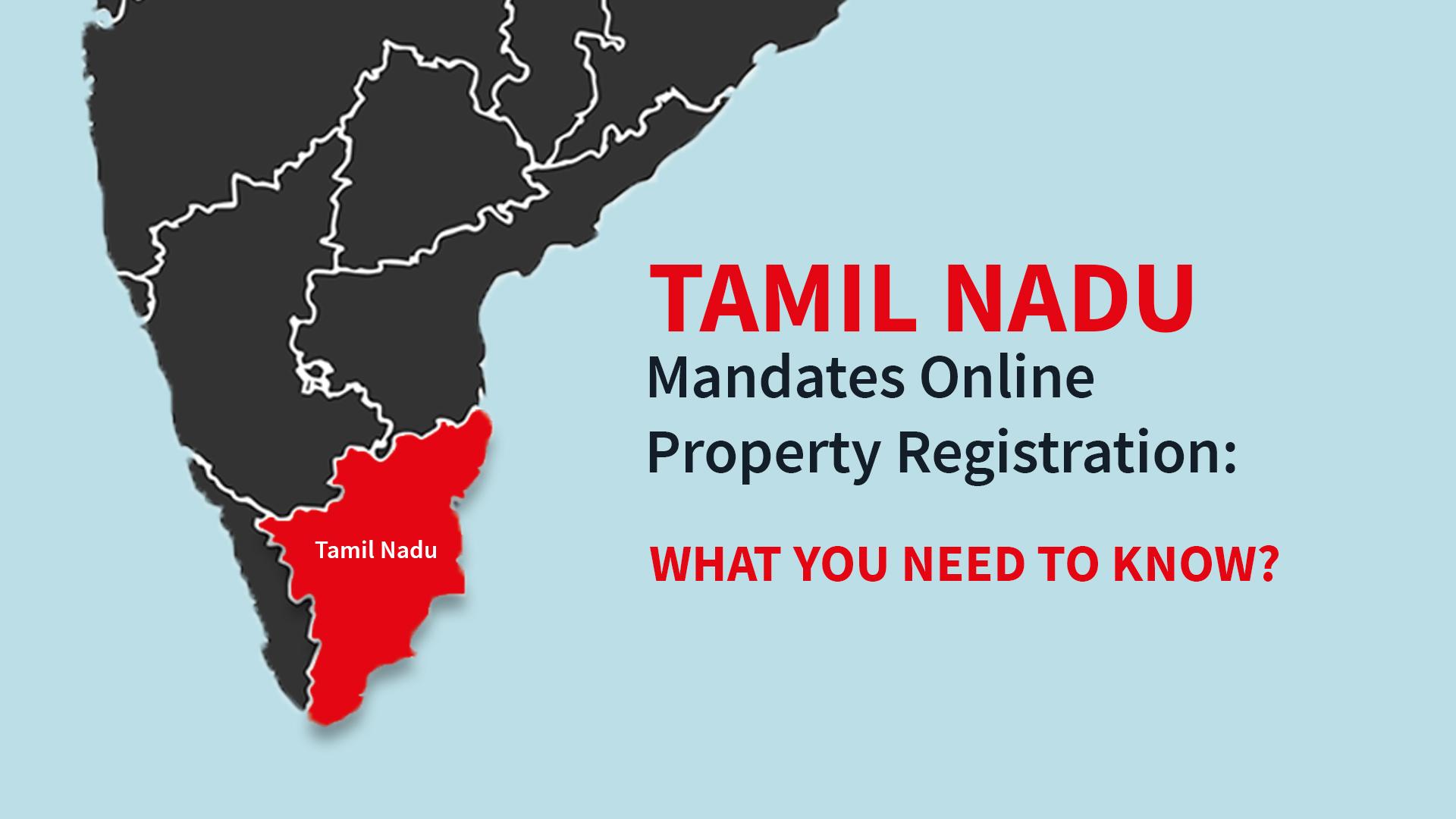
Tamil Nadu has taken a significant step towards digitising real estate transactions with the launch of Simplified and Transparent Administration of Registration (STAR) 3.0. Introduced under the leadership of Chief Minister C. Joseph Vijay, the initiative makes presence-less deed filing mandatory for specific categories from 17 August 2026. It replaces a process that traditionally relied on paperwork, physical visits and multiple touchpoints.
The new framework aims to create a secure, 100% digital ecosystem while improving transparency and efficiency. The initiative seeks to curb corruption, minimise unofficial levies and streamline documentation across the housing sector. It achieves this by replacing paper-heavy procedures with a technology-enabled workflow, reducing physical intervention, eliminating intermediaries and strengthening oversight.
First phase
The rollout does not extend to every agreement immediately. Instead, authorities have adopted a phased approach focused on newly created assets.
Mandatory electronic filing currently applies to:
· First sales of newly developed residential flats
· First sales of plots within approved layouts
· Agreements involving builders, promoters, developers, banks and financial institutions
Resale deals involving existing homes continue under the current mechanism. However, this exclusion is expected to be temporary. The state government has outlined plans to digitise up to 90% of all registrations within the next six months, signalling a broader expansion of the STAR 3.0 framework across categories. As a result, the current rollout is widely viewed as the first phase of a larger transformation in Tamil Nadu's land-record system.
System benefits
Central to STAR 3.0 is the "Anywhere Registration" model, which removes the need for physical interaction during eligible agreements. Perhaps the most notable change is the elimination of visits to sub-registrar offices. Earlier, applicants often had to coordinate appointments, complete in-person verification and wait for paperwork to be reviewed. Under the revised framework, those activities move to a web-based platform, removing the need to stand in long queues or visit government offices for eligible filings.
Accessibility is another key advantage. The platform remains operational 24 hours a day, 365 days a year, enabling submissions at any time regardless of office hours. In practical terms, qualifying paperwork can be initiated and completed from home, even during late evenings or weekends.
The state has also introduced a 24-hour clearance mandate. Once an application is submitted, authorities are expected to review and clear eligible requests within a day. Following approval, legally binding, digitally signed documents carrying secure QR codes become available for immediate download through the portal and can also be delivered through WhatsApp.
Process flow
For qualifying first-sale deals, the journey follows a structured technology-led path.
· Account creation: The buyer, developer or authorised representative must first create an account on the Tamil Nadu Registration Department/Information Network (TNREGINET) portal.
· Document submission: Application details, including survey numbers, land measurements and boundary specifications, are entered through the portal. Supporting records, such as draft sale deeds and identity proofs, are uploaded through the portal.
· Biometric validation: Instead of physical signatures and thumb impressions recorded at sub-registrar offices, identity verification is conducted remotely using Aadhaar-based biometric authentication. Validation can be completed through fingerprint or iris scanning using a smartphone or computer.
· Fee payment: After successful verification, the submitted file is securely locked through an encrypted mechanism and the applicable charges are paid online before final approval.
Required records
Applicants should keep essential paperwork prepared in electronic format before initiating a filing.
· Sale deed that has been drafted, signed and executed
· PAN and Aadhaar details of sellers, promoters and purchasers
· Patta or a valid Patta transfer application with applicable court-fee documentation
· Encumbrance Certificate confirming the absence of legal claims, active disputes or outstanding mortgages
Having these ready in advance can help avoid delays during submission and verification.
Registration shift
The transition from STAR 2.0 to STAR 3.0 represents a significant change in how deeds are handled.
Under the earlier framework, both parties generally had to appear at the sub-registrar office and complete manual verification through physical signatures and thumb impressions. Processing often took several days, and in some cases weeks, before paperwork was released.
The updated model replaces these requirements with Aadhaar-enabled biometric authentication, web-based submission and electronic record generation. Eligible agreements can be completed without visiting a government office. Applications are expected to be processed within 24 hours, and approved documents are delivered as QR-enabled files that can be downloaded instantly or received through WhatsApp.
Looking ahead
The introduction of STAR 3.0 marks an important milestone in Tamil Nadu's governance modernisation agenda. By bringing eligible first-sale residential agreements onto a fully technology-enabled platform, the initiative can improve efficiency, strengthen transparency and reduce procedural friction across the documentation process.
While resale deals remain outside the initial rollout, the policy direction is clear. As technology adoption expands across additional categories, digital infrastructure is expected to play a central role in shaping the future of deed processing in Tamil Nadu.
Are you a landlord?
Are you looking to lease or sell your properties? Advertising your property online with JLL is completely free. Reach hundred of thousands of potential tenants and buyers online.