

How to verify a residential project before buying: A buyer's checklist by real estate experts
 21-Jan-2026

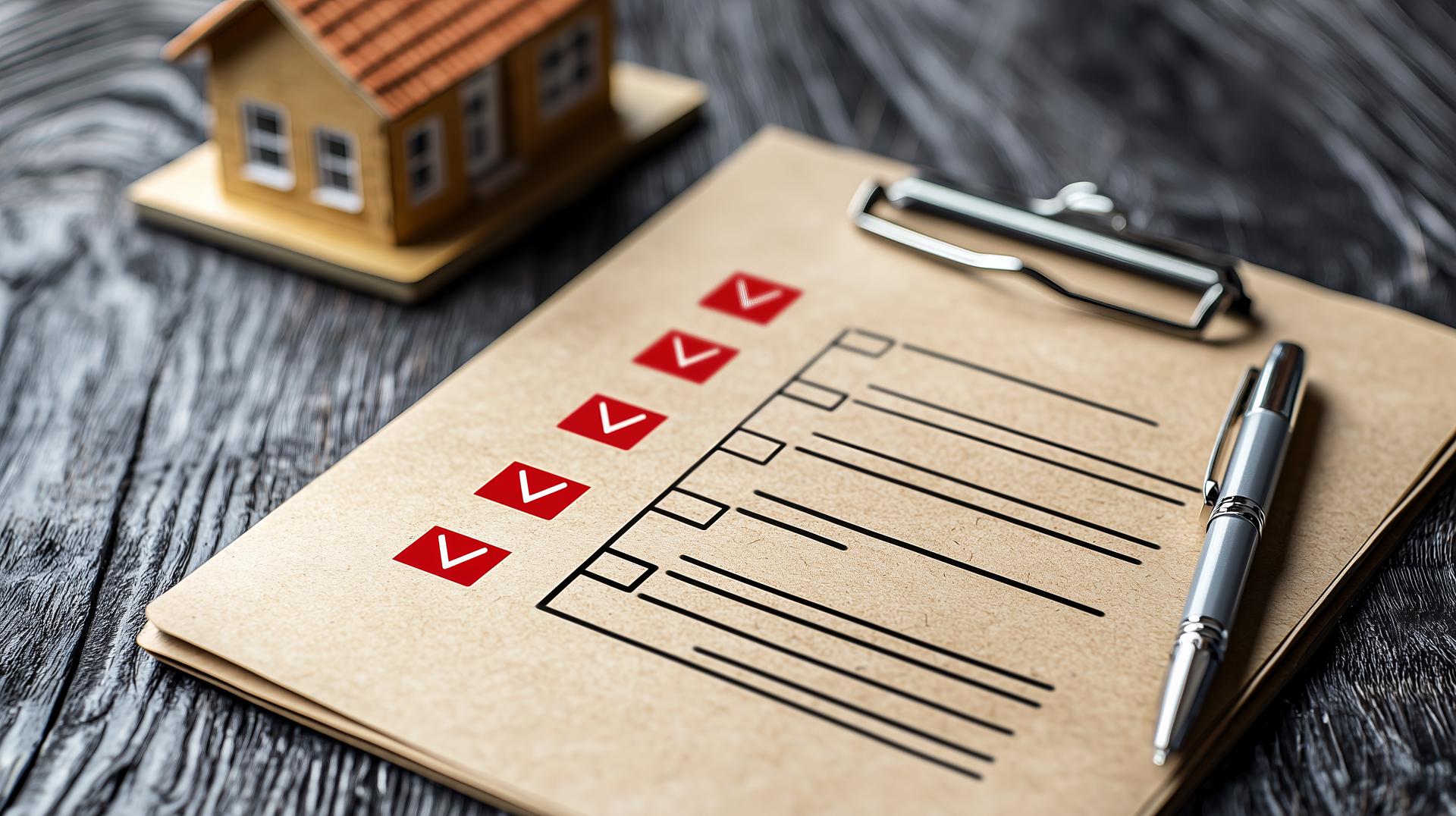
Buying a home is a major investment that calls for informed planning. To make the right choice, experts advise buyers to check several key areas, from important documents and builder reputation to the property's physical condition. A thorough check protects the investment and ensures a smooth ownership experience. For buyers exploring apartments for sale in Chennai, this checklist is an essential tool in the city's competitive market.
What to look for in the legal documents?
Legal paperwork is the foundation of a secure property purchase. Before making any financial commitments, buyers should examine these documents, as missing or incorrect papers can lead to major problems at a later stage.
The process starts with verifying the title deed. This document shows the property's complete ownership history, which should be clear and undisputed. It is the primary proof that the seller has the legal right to sell the property.
Next is the Real Estate Regulatory Authority (RERA) registration. The RERA requires transparency and on-time project completion. This registration gives buyers legal protection against delays and other issues, and its status can be verified on the RERA website.
Buyers must also check for approved plans from local authorities. These papers confirm that the project follows all local building and safety rules, protecting residents from problems related to illegal construction. A land use certificate is also important, as it confirms the land is properly zoned for residential housing.
Construction-related approvals are another critical area. A builder needs a commencement certificate to begin work. Later, completion and occupancy certificates are essential for ready-to-move-in homes. They prove the construction is sound and the home is safe to live in. Without them, buyers cannot legally move in.
Additionally, buyers must also verify that the property is free from financial and departmental hurdles. An encumbrance certificate proves the property has no legal dues or mortgages. Similarly, No Objection Certificates (NOCs) from departments like fire and pollution control ensure the project meets all safety standards.
Finally, buyers should verify that all tax receipts are up to date, as any outstanding payments become the new owner's responsibility. If a Power of Attorney (PoA) is used in the sale, it must be valid and registered to ensure the transaction is legal.
Evaluating builder credibility
Beyond the paperwork, a developer's track record has a big impact on the investment. A careful look at a builder’s history helps buyers avoid projects with potential delays, quality issues, or financial problems.
Researching the builder's reputation involves looking at past projects, delivery timelines, and customer reviews. This helps buyers assess how reliable the developer is. Builders with a good history of finishing projects on time are usually a safer choice.
Financial transparency is another important factor. Checking the builder's financial stability shows if they are likely to keep their promises to buyers from start to finish.
Project details must be confirmed to ensure the carpet area, floor plans, and promised amenities match what was advertised. This step ensures that buyers receive exactly what was promised.
Assessing the property and location
While documents provide legal security, visiting the property in person reveals what papers can't. The quality of construction and the neighbourhood directly affect day-to-day life and the property's future value.
A site visit allows buyers to inspect the construction quality and layout. They can see the quality of materials used and check if the work is on schedule. This careful review is helpful for buyers considering flats for sale in Chennai, where construction quality and neighbourhood development can vary across projects. A location analysis is just as important, involving a look at the area’s safety, schools, hospitals, and transport links.
Buyers should also verify all promised amenities. Features like parks, security systems, and a reliable water supply should be functional. For new projects, they should confirm that proper space and infrastructure are planned for them.
Final checks from costs to walkthroughs
The last set of checks centre on financial transparency and crucial pre-possession steps. Understanding all costs and ensuring approvals are in place protects buyers from surprise expenses.
This includes total cost accounting, which goes beyond the base price to include hidden charges, registration fees, and maintenance costs. Buyers should also ensure that loan approvals for the specific project are verified. When a bank has already approved a project, it usually means the paperwork is in order. This step becomes particularly important when evaluating a property for sale in Chennai, since bank approval usually signals proper documentation and regulatory compliance.
Before taking possession, a final walkthrough is crucial. This inspection gives buyers a chance to spot any defects or incomplete work and get them fixed before the final payment is made.
Following this systematic process protects buyers from legal headaches and financial loss. In Chennai’s realestate market, these checks can be the difference between a great investment and a costly mistake. Each step builds on the last, creating a complete picture that leads to a secure and happy homeownership experience.
Are you a landlord?
Are you looking to lease or sell your properties? Advertising your property online with JLL is completely free. Reach hundred of thousands of potential tenants and buyers online.